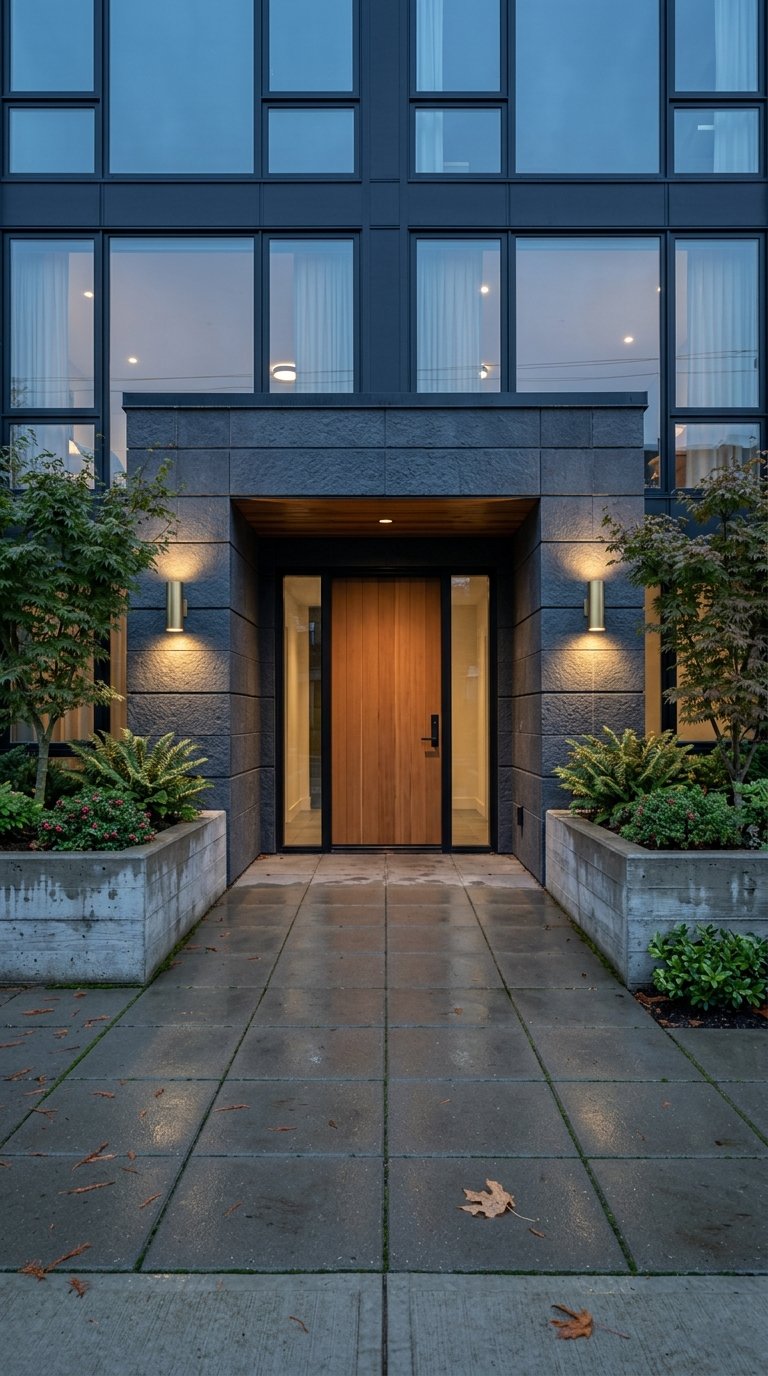
If you’re drawn to Edmonds for its waterfront setting, compact downtown, and easy regional connections, condo living can look like a smart way in. It can also come with questions that do not always show up in listing photos, like HOA finances, reserve health, and building maintenance history. This guide will help you understand what condo living in Edmonds really looks like, what to review before you buy, and how to compare options with more confidence. Let’s dive in.
Why buyers consider Edmonds condos
Edmonds offers a lifestyle that is hard to ignore. The city sits about 15 miles north of Seattle and 18 miles south of Everett, with access by commuter rail, buses, ferries, cars, bicycles, and Amtrak. For many buyers, that mix of convenience and coastal character is a big part of the appeal.
Downtown and the waterfront are especially important to the condo conversation. The city highlights a compact downtown, public waterfront access, parks, beaches, and views of Puget Sound and the Olympic Mountains. If you want a home that supports a more walkable routine, Edmonds stands out.
The city’s planning also points toward a more connected, pedestrian-friendly future. Current planning efforts focus investment in Neighborhood Centers and Hubs, while the downtown and waterfront vision emphasizes active ground floors and human-scale development. For condo buyers, that matters because location and daily convenience often go hand in hand.
What condo living looks like in Edmonds
In Edmonds, condo living tends to be more low-rise and mid-rise than true high-rise. Current listings show one-level units, top-floor homes, penthouses, elevator-access buildings, and older properties that have been updated over time. That gives you a broad mix of styles, but it also means each building can feel very different from the next.
Price is another practical part of the picture. The broader Edmonds housing market remains expensive, with recent data showing a median sale price of about $1.1 million across all home types. Condos may offer an ownership option for buyers who want Edmonds access without shopping only in the detached-home market.
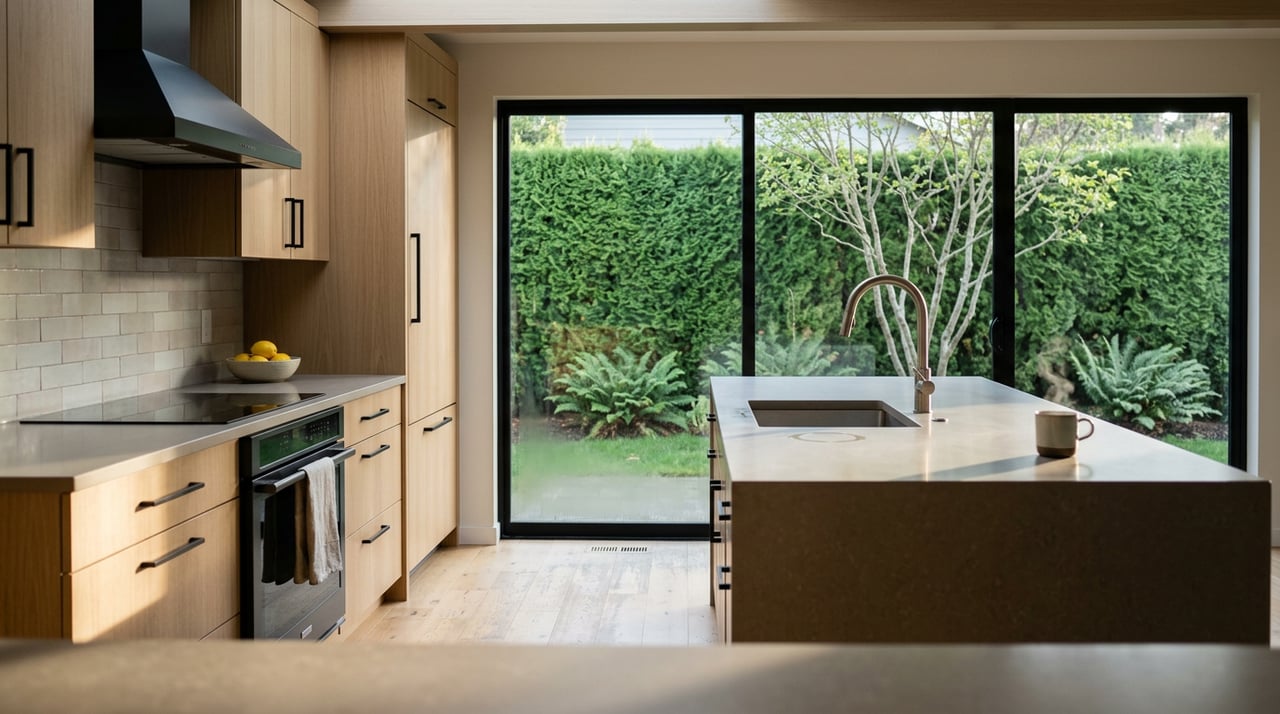
Amenities vary widely by building, so it is important not to assume anything is standard. Depending on the property, you may see secure garage parking, elevators, storage, guest parking, fitness areas, saunas, community rooms, pools, BBQ areas, balconies, and in-unit laundry. These features are building-specific, not universal.
Downtown and waterfront lifestyle factors
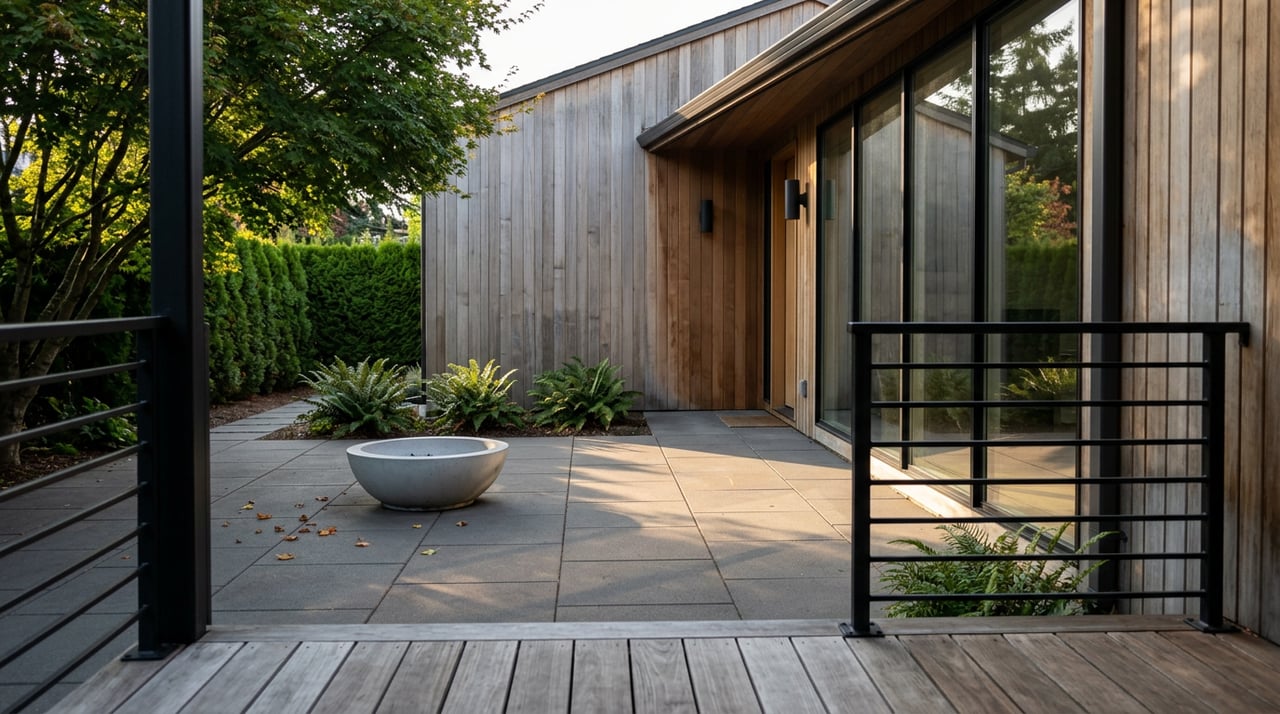
One reason buyers focus on condos in Edmonds is the everyday lifestyle. The city manages more than 265 acres of parks and open space, nearly a mile of public waterfront access, more than 13 miles of walking paths and trails, and four beaches and waterfront parks. That can make smaller-footprint living feel bigger because so much is available outside your front door.
Downtown Edmonds also functions as the center of the city’s Creative District. The area includes arts and culture venues, creative businesses, gathering spaces, parks, historic structures, and waterfront views. If you want to be near restaurants, events, and public spaces, condos close to downtown often get your attention for good reason.
Transit access adds another layer of value. Edmonds Station at 211 Railroad Ave includes park-and-ride parking and bike parking, and regional connections include Community Transit buses and Sound Transit commuter rail. If your schedule includes regular travel to Seattle, Everett, or nearby job centers, that can be a major plus.
The tradeoffs to think through
Convenience and views can come with tradeoffs. Because the shoreline rail corridor carries freight, Amtrak, and Sound Transit service, some downtown or waterfront homes may have more noise than you expect from a map search. Ferry and street activity can also shape how a location feels at different times of day.
That is why in-person observation matters. During a showing, listen as much as you look. A beautiful unit can feel very different in the middle of a weekday, during commute hours, or on a busy weekend near the waterfront.
If you are considering a waterfront-adjacent condo, ask a few extra questions. The city’s shoreline rules apply to Puget Sound shoreline areas and upland land within 200 feet of the shoreline edge. It is worth asking about shoreline-related rules, access, and any plans tied to flooding or sea-level-rise mitigation.
Why HOA diligence matters so much
When you buy a condo, you are buying both the unit and a shared financial relationship with the association. That is why condo due diligence in Washington matters so much. Monthly dues are only one piece of the picture.
A key step is confirming which Washington condo statute governs the building. Washington condo law depends in part on when the condo was created and what documents apply, with RCW 64.34 generally not applying to condos created on or after July 1, 2018, and RCW 64.90 serving as the newer common-interest-ownership framework. This is not a detail to gloss over, because the governing structure affects the documents and disclosures you review.
For many resale condos, the resale certificate is one of the most important documents in the process. Under Washington law, that certificate can disclose monthly assessments, unpaid assessments, special assessments, other fees, anticipated repairs over 5 percent of the annual budget, reserves, annual financial statements, budgets, litigation, insurance coverage, code violations, lease terms, reserve-study status, and EV charging obligations. In short, it helps surface issues that can affect both your cost and your risk.
Reserve studies and special assessments
If you only focus on finishes and views, you can miss the numbers that matter most. Reserve health is one of the biggest factors in condo ownership because reserves help pay for major maintenance and replacement costs over time. When reserves are weak, owners may face larger out-of-pocket costs later.
Washington’s required disclosures make this especially clear. If an association does not have a current reserve study, the disclosure warns that insufficient reserves may lead to special assessments for major work. That makes reserve-study status a major question, not a side note.
As you compare buildings, look for signs that the association is planning ahead. A building with documented maintenance history, realistic budgeting, and clear reserve information may offer fewer surprises than one with lower dues but deferred costs hiding in the background.
Building condition matters in Edmonds
In Edmonds, older condo buildings can still be strong options, but you need to look past the year built. Some older downtown buildings advertise major envelope upgrades such as new roofs, siding, windows, decks, and railings. Those projects can be meaningful positives when the work is documented and the association’s planning appears sound.
This is why renovation history matters as much as surface updates inside the unit. Fresh paint and new flooring are nice, but they do not tell you much about the roof, siding, windows, elevators, decks, or garage condition. Shared systems and exterior components often drive the biggest ownership costs.
When you review a building, compare the status of major systems carefully. Pay close attention to roofs, siding, windows, decks, railings, elevators, and parking or garage conditions. A well-maintained building may justify higher dues if those dues support long-term stability.
Condo insurance questions to ask
Insurance is another area where buyers should slow down and get clarity. In Washington, condo and townhome insurance works together with the community master policy, and your individual policy covers your unit within that larger community structure. The details can vary from building to building.
For that reason, ask exactly what the HOA insures and what you would need to insure yourself. You should also review whether the association’s insurance and finances appear sound. Clear insurance terms can help you avoid confusion after closing.
If insurance feels vague, treat that as a sign to ask more questions. Unclear coverage is one of the key red flags buyers should take seriously, right alongside weak reserves, unresolved litigation, large upcoming repairs, and deferred maintenance.
A smart Edmonds condo checklist
Before you narrow your search too far, use a practical checklist to compare buildings and units on the same terms.
Review the core documents
- Confirm which Washington condo statute governs the building.
- Request the resale certificate, declaration, bylaws, rules, current budget, reserve study, and insurance summary.
- Check monthly dues, special assessments, reserve health, litigation, code issues, and lease terms.
Compare the building itself
- Ask about roofs, siding, windows, decks, railings, elevators, and parking areas.
- Look for documented upgrades, not just verbal summaries.
- Pay attention to whether major work was recently completed or still lies ahead.
Check daily-living details
- Verify parking and guest parking.
- Confirm storage, elevator access, balcony or outdoor space, pet rules, and rental limits.
- Listen for train, ferry, traffic, or street noise during the showing.
Match location to your routine
- Consider whether the condo is near downtown, the waterfront, a Neighborhood Center, or shoreline jurisdiction.
- Think through commute patterns, walkability, and how often you would use transit.
- Make sure the monthly payment still works after dues and insurance are added.
How to tour condos more effectively
A condo showing is most useful once the document questions are mostly answered. That way, you are not falling in love with a layout before you understand the building behind it. It becomes easier to compare homes based on fit rather than first impressions.
Once you are at that stage, focus on how the unit lives day to day. Look at floor plan flow, natural light, exposure, storage, privacy, and whether the views or outdoor space justify the price. Then weigh that against commute needs, noise levels, and the long-term building picture.
In a market like Edmonds, where location carries real value, the best condo is not always the flashiest one. It is often the home that balances lifestyle, building stability, and monthly affordability in a way that supports your goals.
If you are thinking about condo living in Edmonds, a careful review now can save you from expensive surprises later. The right guidance can help you sort through documents, compare buildings, and focus on the homes that truly fit your lifestyle. When you’re ready to explore Edmonds condos with a local team that knows the market well, connect with Haines Huff Properties.
FAQs
What makes condo living in Edmonds appealing to buyers?
- Edmonds offers a compact downtown, public waterfront access, parks, beaches, regional transit connections, and a condo market that often supports a more walkable, lower-maintenance lifestyle.
What should you review before buying a condo in Edmonds?
- You should review the resale certificate, governing documents, current budget, reserve study, insurance summary, dues, special assessments, litigation history, and major repair plans.
Why do reserve studies matter for Edmonds condo buyers?
- Reserve studies help show whether an association is planning for major maintenance and replacement costs, which can reduce the risk of unexpected special assessments.
What building features vary most in Edmonds condos?
- Common differences include parking, guest parking, storage, elevators, balconies, in-unit laundry, fitness spaces, pools, and other shared amenities, which are specific to each building.
What should buyers ask about downtown or waterfront Edmonds condos?
- Buyers should ask about transit access, noise from rail or ferry activity, shoreline-related rules, parking, walkability, and any building or location factors that could affect daily use and future costs.