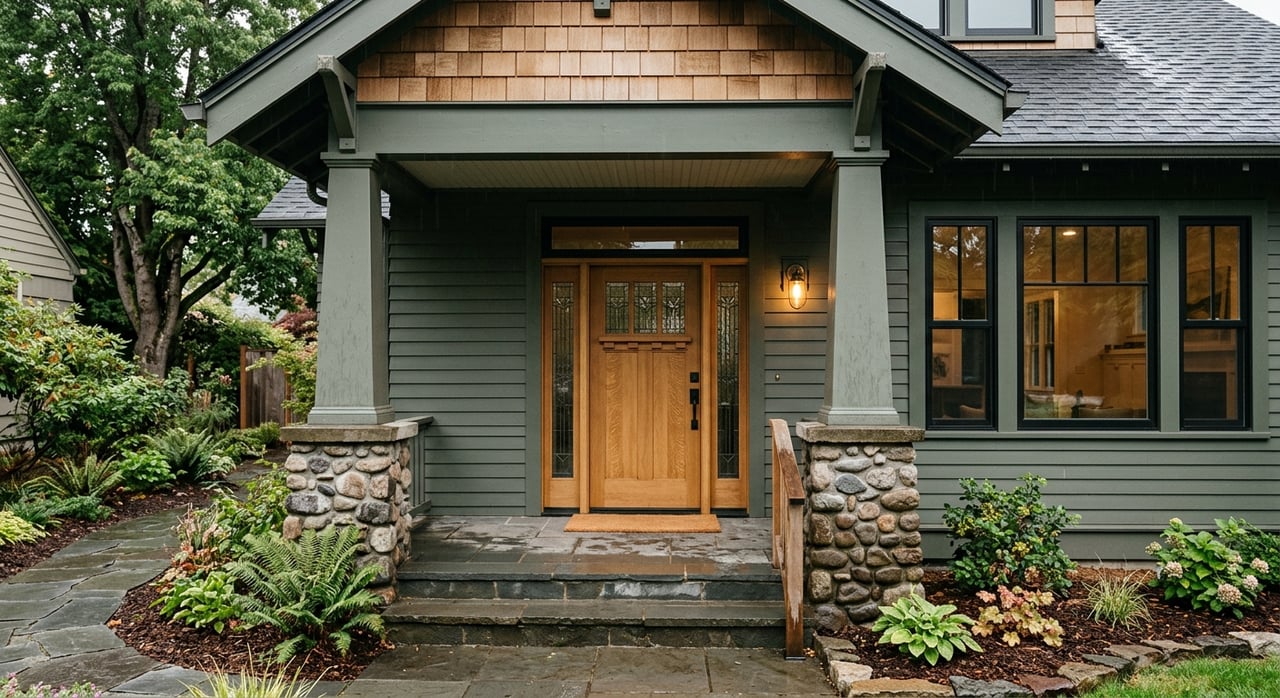
Choosing between historic Snohomish and its newer areas is not just about age of homes. It is about how you want to live day to day. If you are weighing charm, walkability, space, commute options, or a more modern layout, Snohomish gives you distinctly different settings. This guide will help you compare the feel, features, and tradeoffs so you can narrow in on the right fit for your next move. Let’s dive in.
Historic Snohomish at a Glance
Historic downtown Snohomish centers on the city’s designated Historic District, which was created in 1973 and later accepted onto the National and State Historic Registers. The district sits along the riverbank south of town, with historic residential areas generally north of the commercial core and a mixed-use area to the east. City standards point to mature street trees, alleys, sidewalks, and steady pedestrian activity as defining features.
This part of Snohomish has a strong sense of place. Residential buildings date from the 1860s to the present, with many built before 1920. Common architectural styles include Craftsman Bungalow, Queen Anne Victorian, Shingle, Beaux Arts, Gothic Revival, Italianate, Cottage, Colonial Revival, and Stick/Eastlake.
The commercial area follows a traditional main street pattern. Many buildings date from about 1880 to 1930 and are one to three stories tall, with storefronts at street level and office or residential space above. On-street parking and rear alley access also shape how the district functions.
Newer Snohomish Areas at a Glance
If you want a more recently planned setting, Snohomish has newer in-town districts that feel different from the historic core. Two key examples are the Pilchuck District and the Midtown District. Both reflect the city’s push for mixed use, housing variety, and pedestrian-oriented design.
The Pilchuck District was created as a compact, walkable neighborhood with mixed uses. City materials say housing can range from single-family homes to townhomes to four- and five-story residential, mixed-use, and office buildings. Its form-based rules are meant to create a more compact public realm.
The Midtown District runs along Avenue D from Sixth Street north to SR 9. City plans describe it as a newer redevelopment corridor intended to add jobs, shopping, activity, and more housing options, including more affordable housing. Design standards there also emphasize pedestrian orientation, human-scale development, and higher-density residential uses.
Rural-Edge Living Around Snohomish
Some buyers are not choosing between downtown and newer in-town areas alone. They are also looking at neighborhoods near the edge of town, where the feel can shift toward more space and a semi-rural rhythm. Snohomish’s planning extends beyond current city limits into an Urban Growth Area, and county land-use rules shape what development can look like there.
County subdivision options include planned residential developments, townhouse unit lots, rural cluster subdivisions, and lot-size averaging. In certain rural and resource areas, cluster rules group lots into compact areas surrounded by restricted open space. In many cases, that open space must make up at least 45 percent of the site.
That planning framework often creates a different daily experience than a traditional downtown block. You may see more land, more separation, and a stronger sense of open space. Depending on the property and location, approved open-space areas can also support uses such as buffering, passive recreation, community wells, and drainfields.
Walkability and Daily Errands
If walkability is high on your list, historic downtown Snohomish stands out. City materials emphasize sidewalks, pedestrian activity, riverfront access, and a First Street master plan centered on walkability, accessibility, parking, and connections to parks, the riverfront, and trails. Downtown is also where the city highlights boutiques, coffee shops, bars, restaurants, professional services, festivals, and the Farmers Market.
That can translate into a lifestyle where you leave the car parked more often. You may be able to walk to a meal, browse shops, or head toward the riverfront and trails with less planning. For many buyers, that convenience is a major draw.
Newer areas can still offer sidewalks, internal connections, and a more intentional pedestrian layout. Still, city and county planning documents suggest that newer areas and rural-edge neighborhoods are generally more car-dependent in daily use than the historic core. The street pattern, parking layout, and broader subdivision format often shape that difference.
Commute and Regional Access
Snohomish appeals to many buyers because of its position in the broader region. The city sits at the meeting point of Highway 9 and Highway 2, with access to I-5 and WA-522. City transportation planning also identifies Second Street as a major east-west connector between SR 9 and US 2.
For transit users, Community Transit says Snohomish riders can reach Everett Station for weekday Sounder trips to Seattle and Ash Way Park & Ride for Swift and other regional connections. Bellevue connections are also available through Everett Station or Lynnwood City Center Station, the Crosslake Connection on Link light rail, and route 908 from the Snohomish Park & Ride.
In practical terms, your exact commute experience may depend on whether you want quick access to a park-and-ride, major roads, or a more central in-town location. Buyers relocating to the area often find it helpful to compare their likely daily route before deciding between historic, newer, or rural-edge options.
Recreation and Nearby Amenities
One of Snohomish’s biggest strengths is how easy it is to connect daily life with outdoor amenities. Downtown residents have immediate access to the Riverfront Trail, the 30-mile Centennial Trail, and riverfront parks such as Cady Park. The city says there are about 170 acres of parks and open space within city limits.
Snohomish also presents itself as a destination for shopping, trails, parks, river activities, and restaurants. That helps explain why the historic core feels active beyond just residential use. It is not only a place to live, but also a place where people gather and spend time.
If you prefer major retail close by, city materials note that larger retailers are concentrated at Snohomish Station rather than in the historic core. That can be an important distinction if your ideal routine includes a quick stop for bigger-box errands rather than boutique shopping or downtown dining.
How Home Style Shapes the Decision
Historic Snohomish often appeals to buyers who value architectural character and details that are harder to find in newer construction. Older homes may offer larger yards, garages set behind the home, and more uniform setbacks from the street. For some buyers, that creates a streetscape with lasting visual appeal.
Newer areas tend to attract buyers looking for more modern construction patterns and a wider range of housing types. Depending on the district, you may see single-family homes, townhomes, and multi-story mixed-use residential buildings. If you want a lower-maintenance setup or a more contemporary floor plan, these areas may feel like a better match.
Rural-edge neighborhoods often suit buyers who want more space and a little more breathing room. The county’s subdivision and open-space framework suggests a different feel from compact downtown blocks. If privacy and land are higher priorities than a walk-to-main-street lifestyle, this category may deserve a closer look.
Tradeoffs to Consider Before You Buy
Every area comes with tradeoffs, and being clear about yours can save time. Historic downtown tends to fit buyers who want character, riverfront proximity, and walkable access to shops, restaurants, and events. The tradeoffs can include older-home maintenance, more design-review oversight, less off-street parking, and a denser street pattern.
Newer in-town districts may give you more modern housing choices and a more planned pedestrian environment. At the same time, they may not offer the same historic architecture or established main-street atmosphere. Your choice often comes down to whether you value classic character or newer design priorities more.
Rural-edge areas can offer more separation and a semi-rural feel. In exchange, you may be farther from the compact downtown experience and more dependent on driving for everyday needs. This option can make sense if space matters more than being in the center of activity.
Questions to Ask Yourself
When you compare historic Snohomish with newer areas, a few questions can quickly bring your priorities into focus:
- Do you want to walk to shops, restaurants, events, or trails?
- Are you drawn to older architecture, or do you prefer more modern layouts?
- How much home maintenance are you comfortable taking on?
- Is off-street parking a must-have for your household?
- Would you rather have a compact in-town setting or more space near the edge of town?
- How important is access to Highway 2, Highway 9, I-5, WA-522, or transit connections?
Your answers can tell you a lot about where to focus. In a city like Snohomish, the right fit often comes down to lifestyle first and floor plan second.
Which Snohomish Area Fits You Best?
If you picture weekend walks to coffee, quick access to the riverfront, and a home with historic character, the downtown district may feel right. If you want a newer neighborhood pattern, more housing variety, and a more recently planned environment, Pilchuck or Midtown may be worth a closer look. If your ideal setup includes more land and a semi-rural atmosphere, the edge-of-town areas may align better with your goals.
The good news is that Snohomish offers all three experiences within the same broader market. That gives you options, but it also makes local guidance more valuable. A neighborhood that looks great on paper can feel very different once you consider your routine, commute, and long-term plans.
If you are thinking about buying or selling in Snohomish and want help comparing neighborhoods with a local perspective, connect with Haines Huff Properties. Their team can help you evaluate the tradeoffs and find the Snohomish fit that matches how you want to live.
FAQs
What is the Historic District in Snohomish like for homebuyers?
- The Historic District offers older homes, classic architectural styles, mature street trees, sidewalks, alleys, and close access to downtown shops, restaurants, and the riverfront.
What are the newer neighborhood options in Snohomish?
- Newer in-town options include the Pilchuck District and Midtown District, where city plans support mixed-use development, housing variety, pedestrian-oriented design, and higher-density residential uses.
Is historic downtown Snohomish more walkable than newer areas?
- Yes. City materials identify historic downtown as the most walkable part of Snohomish, with strong connections to shops, parks, trails, and riverfront amenities.
How do Snohomish rural-edge neighborhoods feel different?
- Rural-edge areas tend to offer more space, more separation from neighbors, and a semi-rural feel shaped by county subdivision and open-space rules.
How can you commute from Snohomish to Seattle or Bellevue?
- Snohomish has access to Highway 2, Highway 9, I-5, and WA-522, and Community Transit says riders can connect to Seattle and Bellevue through Everett Station, Lynnwood City Center Station, Ash Way Park & Ride, and the Snohomish Park & Ride.
What should you compare when choosing between historic and newer Snohomish areas?
- Focus on walkability, home style, maintenance expectations, parking, commute patterns, access to amenities, and whether you prefer a compact in-town setting or a more spacious edge-of-town environment.