Trying to decide between a Lake Stevens waterfront home and a home in a nearby neighborhood? It is a smart question, because in this market, the difference is about much more than scenery. If you want the right fit for your lifestyle, budget, and long-term plans, it helps to understand how access, upkeep, permits, and resale can vary. Let’s break it down.
What Waterfront Means in Lake Stevens
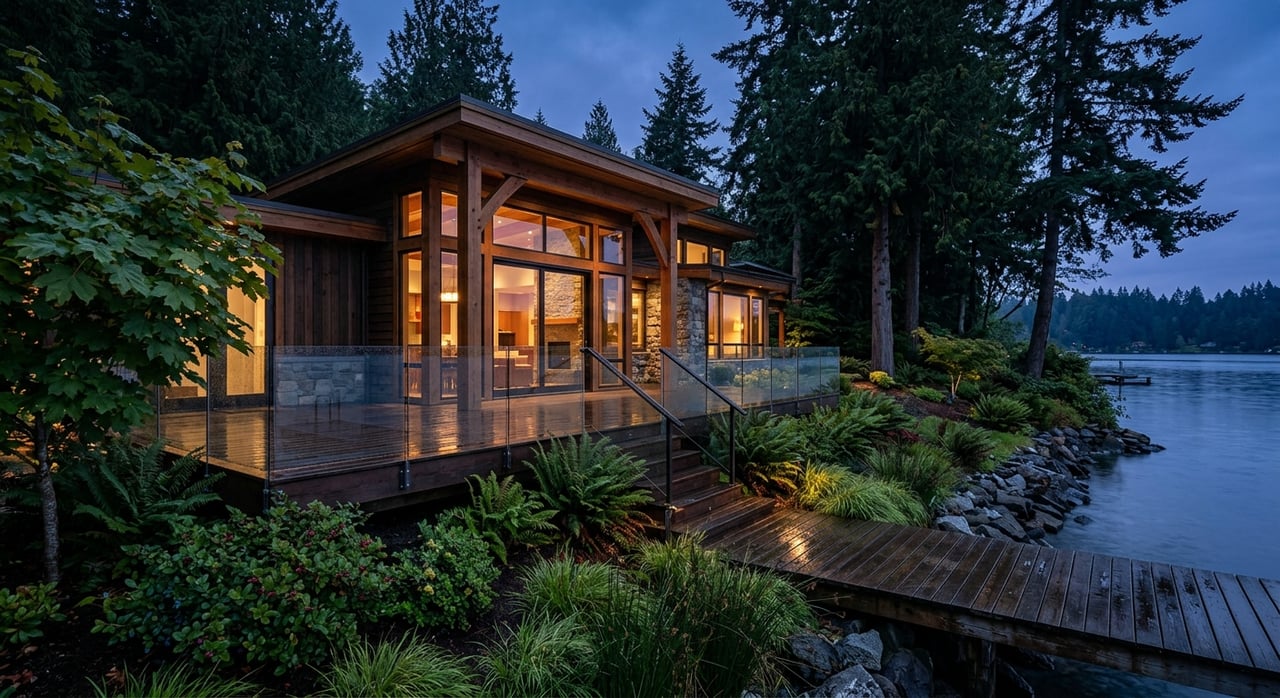
In Lake Stevens, waterfront living centers on a limited shoreline resource. The city describes Lake Stevens as about 1,000 acres, with 8 miles of shoreline and a deepest point of 146 feet, making it the largest natural lake in Snohomish County and a major part of local recreation.
That matters because owning waterfront usually means you own direct access to something that is naturally limited. By contrast, neighborhood living often means you are close to the lake and can enjoy it regularly, but you do not own the shoreline itself.
How Neighborhood Homes Still Access the Lake
You do not need a waterfront property to spend time on the water in Lake Stevens. The city operates two public boat launches, North Cove downtown and Davies Beach, and both are two-lane launches with docks. North Cove also includes ADA-accessible loading.
For many buyers, that makes inland living a practical option. You can still boat, paddle, and enjoy the lake, but your access depends on public facilities instead of stepping out your back door.
Waterfront Lifestyle: Convenience With More Moving Parts
The biggest draw of waterfront living is simple: direct access. If you plan to swim, paddle, or boat often, having the lake right outside can change how often you use it and how easily it fits into daily life.
At the same time, lake living comes with shared-use rules that shape the experience. Lake Stevens has a 35 mph speed limit on the water, no wake during darkness, no wake in North Cove after 1 p.m., counter-clockwise travel rules, and no-wake zones within 100 feet of docks, swimming areas, and structures. Vessel operators born after January 1, 1955 must also have a boater education card.
So while waterfront living offers convenience and strong lifestyle appeal, it also means living with seasonal lake traffic, operating rules, and a more active waterfront environment.
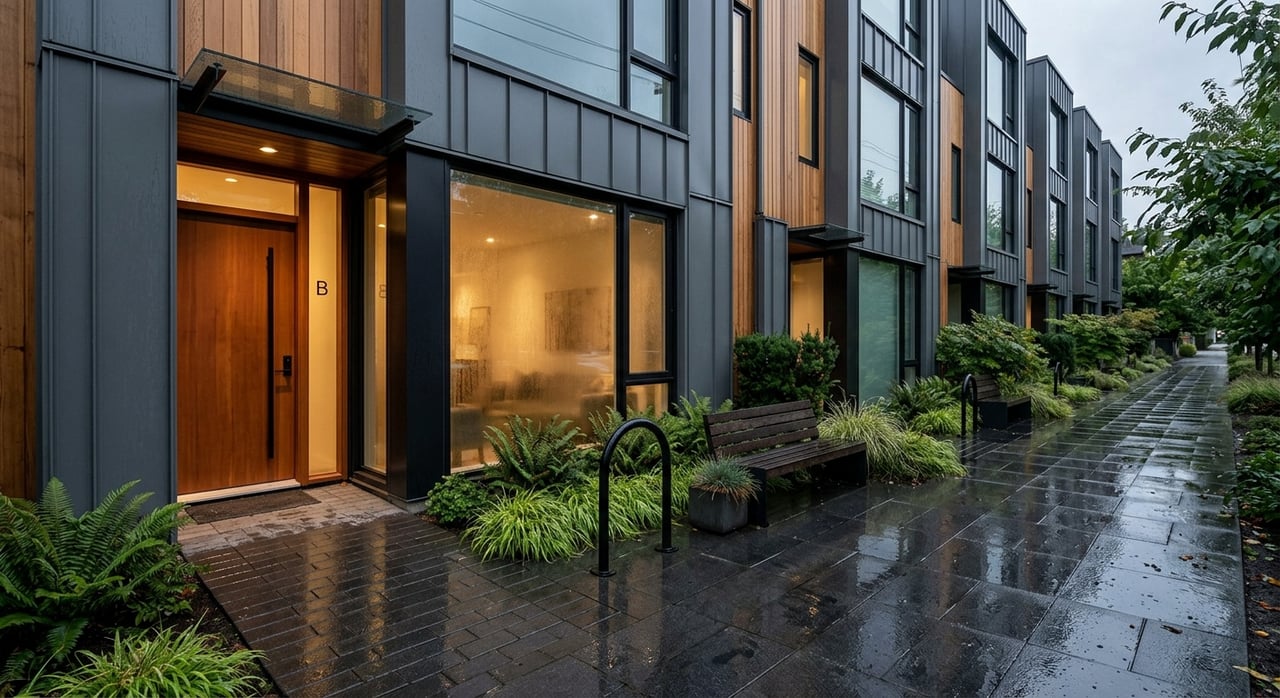
Neighborhood Living: Simpler Day to Day
For many buyers, neighborhood living offers a more straightforward ownership experience. If the home is outside shoreline jurisdiction, you are generally avoiding an added layer of shoreline review that can apply to waterfront or near-water improvements.
That can make everyday ownership feel more predictable. If you enjoy the lake occasionally rather than constantly, a neighborhood home may give you the Lake Stevens lifestyle you want without as much property-specific complexity.
Shoreline Rules Can Affect Waterfront Plans
One of the biggest differences between these two options is what happens when you want to improve the property. Washington’s Shoreline Management Act applies to lakes 20 acres or larger, and Lake Stevens says shoreline jurisdiction includes the lake and the area within 200 feet of the ordinary high-water mark.
In practical terms, new, expanded, or replaced development in that area generally requires a shoreline permit. That means a waterfront project may involve more review, more planning, and more time than a similar project on a typical inland lot.
Dock Rules Matter More Than Buyers Expect
If a private dock is part of your waterfront dream, it is important to understand local limits early. Lake Stevens says it is unlawful to build outward from shore except for docks, and private docks are subject to dimensional rules.
If there are no adjacent legal docks within 300 feet, the maximum dock length is 50 feet. The city also limits decking height to 30 inches above mean high water and railings to 36 inches. Those details can affect how a property functions today and what changes may be possible later.
Floodplain and Septic Due Diligence
Waterfront ownership can also bring added due diligence beyond the shoreline itself. Lake Stevens notes that the largest special flood hazard area surrounds the lake, and some projects may require both a floodplain development permit and a shoreline permit.
Lake stewardship is also an ongoing local issue. The city works with Snohomish County on annual alum treatments to bind phosphorus, monitors invasive plants, and encourages residents to maintain septic systems, limit fertilizer use, and manage pet waste.
If a property relies on septic rather than public sewer, that adds another layer to your review. Snohomish County says septic systems must be inspected before a property is sold, with that rule taking effect November 1, 2026. County guidance also says rural properties without public sewer need an approved well and septic system.
Parking and Storage Deserve More Attention
Parking may not sound exciting, but in Lake Stevens it can be a real quality-of-life factor. The city requires two off-street parking spaces for a single-family detached residence, plus an additional space for each accessory dwelling unit.
That matters even more if you own a boat, trailer, or extra vehicles. Public launch parking is fee-based, limited to designated spaces, and improper use can lead to citations, so buyers who plan regular lake use should look closely at driveway depth, garage space, and storage options.
Comparing Waterfront and Neighborhood Living
If you are choosing between the two, it helps to look at the tradeoffs side by side.
| Factor | Waterfront Living | Neighborhood Living |
|---|---|---|
| Lake access | Direct private access | Public access through city launches |
| Day-to-day use | Easier for frequent lake use | Better for occasional lake use |
| Permits | More likely to involve shoreline and possibly floodplain review | Usually simpler if outside shoreline jurisdiction |
| Upkeep | May include dock, shoreline, or septic-related considerations | Typically more standard home maintenance |
| Parking needs | Often more important for boats, trailers, and guest use | Still important, but usually less specialized |
| Buyer appeal on resale | Can attract strong interest, but with more property-specific scrutiny | Often appeals to a broader buyer pool |
What the Market Suggests
Lake Stevens remains a competitive market. Redfin reported a median sale price of about $695,000 over the three months ending May 2026, with homes selling in around 14 days and receiving about two offers on average.
Waterfront can also carry a pricing edge. Zillow’s 2026 research found that waterfront homes sell for about 3% more than expected nationally, while homes with docks sell for about 5.4% more than expected nationally.
In Lake Stevens, that suggests waterfront may command a premium when the parcel is easy to use and the improvements are in good condition. But it can also be a narrower resale market, because future buyers will likely pay close attention to dock condition, permitted access, floodplain status, and parking.
Which Option Fits You Best?
A Lake Stevens waterfront home may be the better fit if you expect to use the lake often and feel comfortable with added permits, maintenance, and planning. If direct access is central to how you want to live, that convenience can be worth the extra complexity.
A neighborhood home may be the better fit if you want simpler ownership, more predictable upkeep, and access to the lake through public launches when you choose to use it. For many buyers, that balance offers the benefits of Lake Stevens living with fewer moving parts.
The right choice depends on how you plan to live, not just how you want the property to look in photos. If you want help weighing specific homes, shoreline considerations, or resale potential in Lake Stevens, the local team at Haines Huff Properties can help you compare your options with clear, practical guidance.
FAQs
What is the main benefit of a Lake Stevens waterfront home?
- A waterfront home gives you direct access to the lake, which can be especially valuable if you plan to boat, swim, or paddle often.
What is the main benefit of neighborhood living in Lake Stevens?
- A neighborhood home often offers a simpler ownership experience, with lake access still available through public boat launches and fewer shoreline-related complications.
Do Lake Stevens neighborhood homes still have lake access?
- Yes. The city operates public boat launches at North Cove and Davies Beach, so inland homeowners can still use the lake without owning shoreline property.
Do Lake Stevens waterfront homes require special permits?
- They often can. The city says development within shoreline jurisdiction generally requires a shoreline permit, and some projects may also require a floodplain development permit.
Are there rules for docks on Lake Stevens waterfront property?
- Yes. Lake Stevens has local rules that limit what can be built outward from shore and sets dimensional standards for private docks.
Is parking important when buying near Lake Stevens?
- Yes. Parking matters for everyday use and can be especially important if you plan to keep a boat, trailer, or extra vehicles at the property.